

V
Vans
New and used van finance for businesses and sole traders, from a single van to a full commercial fleet, vehicles from £30,000 and above.
Learn more →
From a single van to a full emergency service fleet, Avro Finance arranges commercial vehicle finance and refinance across a wide range of specialist sectors. Fixed monthly payments, manual underwriting and a broker who understands the vehicle, not just the invoice.
Most vehicle finance is built around cars and standard vans. Avro Finance was built around the vehicles that do not fit that mould. We are a niche asset finance broker for UK businesses, working across sectors where the vehicle itself, whether that is a converted ambulance, a chauffeur-standard Mercedes S-Class, a fleet of e-mopeds or a fitted camera van, needs to be understood properly before a lender can be matched to the case. That means manual underwriting rather than an automated scorecard, and a broker who has actually looked at the market you operate in.
Each sector below has its own dedicated page covering the detail relevant to that vehicle type and business.
New and used van finance for businesses and sole traders, from a single van to a full commercial fleet, vehicles from £30,000 and above.
Learn more →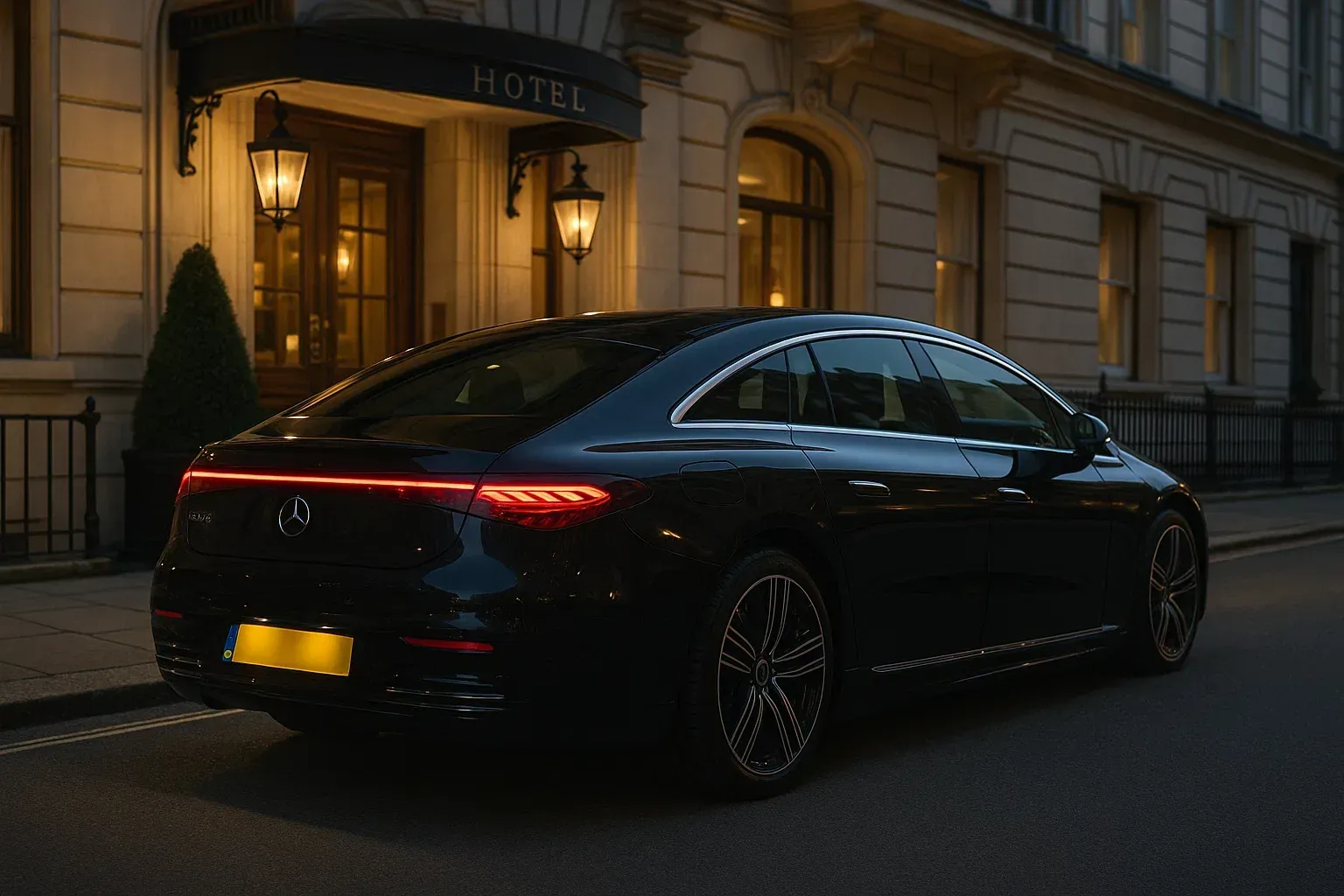
Finance for chauffeur firms, prestige fleets and executive private hire operators, including hybrid and electric options.
Learn more →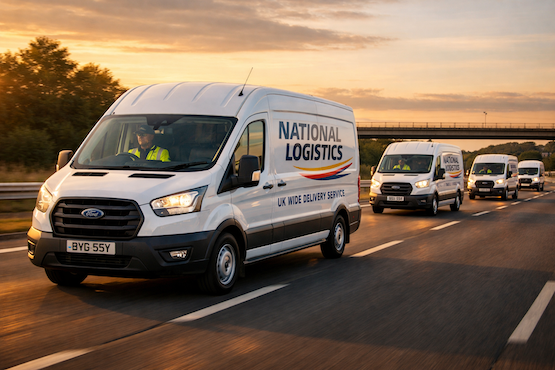
Coordinated funding for multi-vehicle and phased fleet transactions across mixed and growing commercial fleets.
Learn more →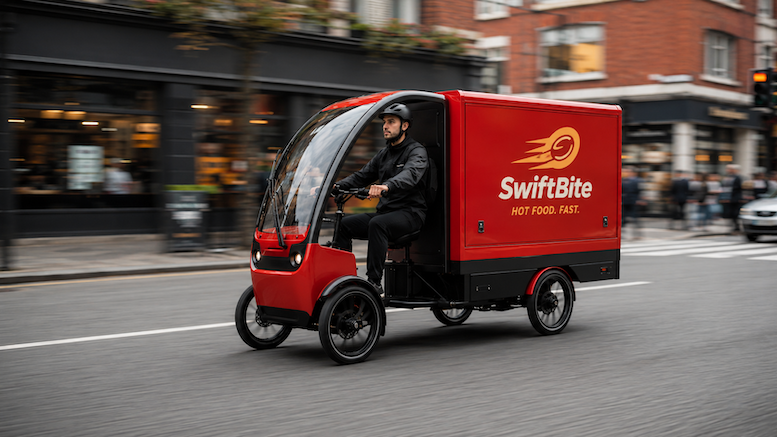
Commercial finance for electric cargo bike fleets supporting last-mile delivery, from £25,000 for multi-bike programmes.
Learn more →
Finance for electric moped fleets used in food delivery, courier and urban logistics operations.
Learn more →
Specialist finance for supercars, prestige, collector and restomod vehicles, from £70,000, including refinance and equity release.
Learn more →
Finance for bus and coach operators, school transport providers and tour businesses, including ScotZEB3-related funding gaps.
Learn more →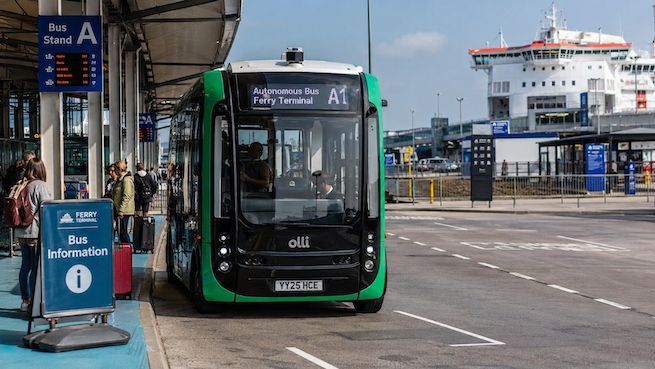
Funding for autonomous shuttles and the supporting infrastructure behind low-speed self-driving passenger transport.
Learn more →
Finance for NHS contractors, private ambulance operators, patient transport and event medical providers.
Learn more →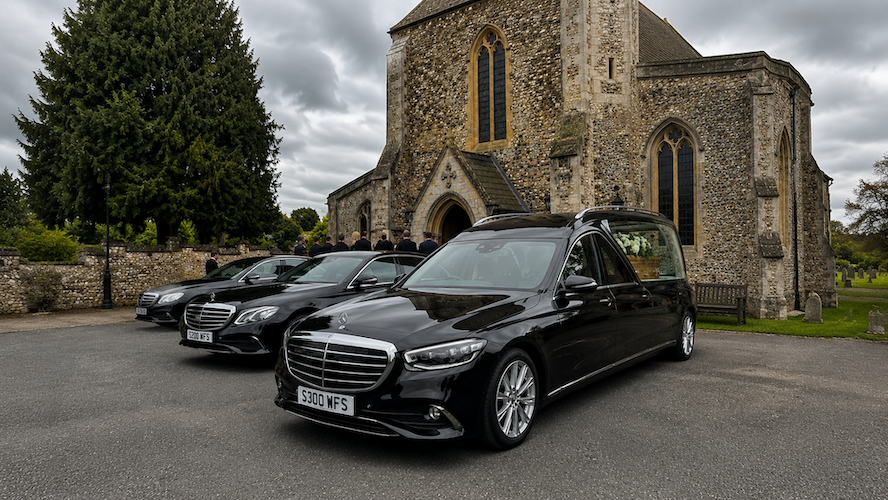
Finance for hearses and limousines, for new start-up funeral directors and established fleets alike.
Learn more →
Finance for camera vans, unit trucks, crew transport and executive cast vehicles for production companies and freelance crew.
Learn more →Adjust the figures below to estimate an indicative monthly payment for any vehicle type across our sectors.
Estimated Monthly Payment
This calculator is for illustration only. Actual finance terms depend on lender approval, borrower profile, deposit, vehicle type, age, structure, underwriting and lender criteria. The business profile selector is used only to estimate the illustration and does not guarantee acceptance or a specific rate.
Standard motor finance is built around ordinary cars and vans. It tends to struggle with anything that needs a closer look, a converted vehicle, a specialist chassis, a niche market or a business model that does not fit a simple template. That is where a manually underwritten, sector-aware broker matters more than an instant online decision.

The right structure depends on the vehicle, the business and the wider commercial objective. Exact products available vary by sector.
Spread the cost over an agreed term with fixed repayments and a clear route to ownership once all sums are paid.
Lower monthly payments by deferring part of the balance to a contractual final payment, subject to lender criteria.
Use a vehicle for a fixed term with a choice of end options, rather than committing to ownership from the outset.
Release capital from vehicles you already own to support cashflow, restructuring or further investment.
Our clients span a wide range of UK businesses, and what they tend to have in common is that their vehicle requirement does not fit neatly inside a mainstream retail finance product. That includes courier and delivery operators, trades and field-service businesses, chauffeur and executive private hire firms, coach and PSV operators, NHS contractors and private ambulance services, funeral directors, TV and film production companies and crew, urban logistics operators moving to cargo bikes and e-mopeds, and collectors and business owners financing supercars and prestige vehicles.
Whether you are a start-up adding your first vehicle or an established operator managing a full fleet, every case is assessed on the business, the asset and the commercial objective behind the funding, rather than a single automated score.
Share the vehicle type, business use, budget and whether it is new, used or a fleet requirement.
Deposit, term and structure are reviewed to identify sensible funding routes for the asset.
The case is packaged against relevant commercial criteria and matched to appropriate lender appetite.
Once approved, documentation and payout move forward so the vehicle can get to work.
From cargo bikes and e-mopeds to electric buses and executive vehicles, lower-emission transport runs through several of the sectors we work in.
Electric and low-emission vehicles now come up across most of the sectors we cover, not as a single dedicated product but as part of the wider funding conversation in each one. That includes electric cargo bikes and e-mopeds supporting last-mile delivery, electric and hybrid executive vehicles for PCO and chauffeur operators, ScotZEB3-related funding gaps for zero-emission buses, and electric ambulances and production vehicles where the duty cycle suits it. Rather than treating sustainability as a separate finance product, we build it into the underlying conversation for whichever vehicle sector you operate in.
A way for businesses to spread the cost of a vehicle or other business asset over an agreed term through structured payments, rather than paying the full cost upfront.
Vans, executive and chauffeur vehicles, fleet transactions, cargo bikes, e-mopeds, buses and coaches, ambulances and emergency vehicles, funeral vehicles, TV and film production vehicles and supercars.
Newer businesses may be considered, though structure, deposit and lender appetite may differ from an established operator with trading history.
Both. We arrange finance for single vehicle purchases as well as multi-vehicle and full fleet transactions.
Potentially, yes, where there is sufficient value in the vehicle and the case meets lender criteria.
Our services are for limited companies and self-employed commercial entities for business use only, not consumer credit.
Typically from around £25,000 for smaller fleet assets such as cargo bikes and e-mopeds, up to £5 million or more for larger fleet and high-value transactions.
Avro Asset Finance provides unregulated business finance agreements for limited companies and self-employed commercial entities, and does not provide consumer credit or regulated financial products.
In many cases, yes, subject to vehicle age, condition, mileage and lender criteria.
Common products may include Hire Purchase, Lease Purchase, Finance Lease and Asset Refinance, depending on the asset, business and lender criteria.